

Heritage & Identity
Which values define us and our societies? What do we have in common? What separated and still separates us? Heritage & Identity shows how and where the past influences us and to what extent it shapes our perception of the present. A look at the dividing and uniting power of history.
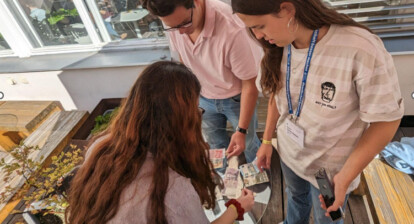
Lari, Leva, Krones and Euros: Young Perspectives on Europe’s Currencies
Cashless payments and cryptocurrencies are gaining ground. Which role do physical banknotes still play for Europe's youth?
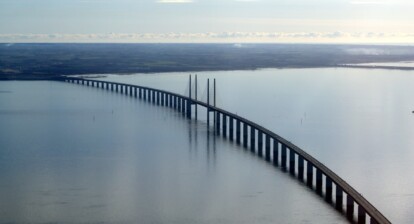
Love Across the Sound
In July 2000, a bridge of 8km length between two countries was opened. After centuries of separation by sea, the Øresund Bridge made it possible to drive between the two Nordic countries of Denmark and Sweden by car. Jak... (more)
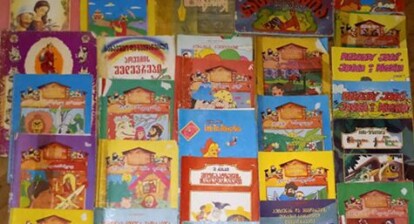
Once Upon A Time In Europe: The Dark Traces Of Folk Tales
How do traditional folk tales shape young personalities all over Europe? To what extent can they serve as a historical source of ancient values and norms, social structures, fantasies and realities? Rusudan from Georgia ... (more)
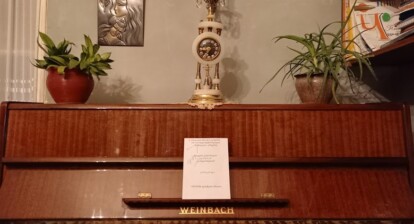
Making Friends with Music: In Search of Traditional Tunes
A carrier of family memories, a European meeting point and a gate to new friendships: For Rusudan from Georgia, the piano has lots of meanings.
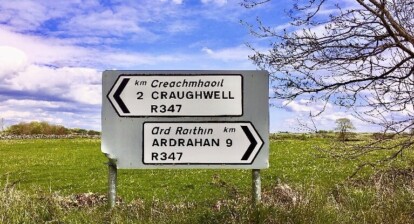
Irish Language: Deep-Rooted or Force-Fed?
Neasa from Ireland talks about the state of the Irish language and young people’s attitudes to language and culture, and the compulsory status of Irish in schools.
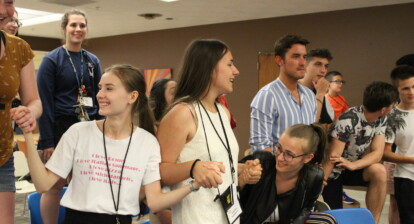
English first? Observations on Language Choice While Abroad
Hanna from Belarus reflects on why she prefers to use the English language even when Russian might be a simpler choice at a first glance.
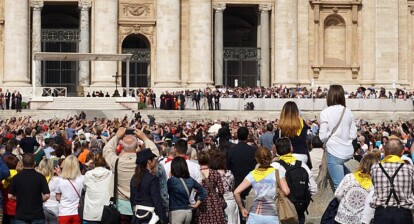
Churches in Germany: From Absence to Presence?
Germany is not a religious state. It does not have a state religion or state church. The number of registered church members is declining year by year. But which role do the churches play in public discussions? What does... (more)
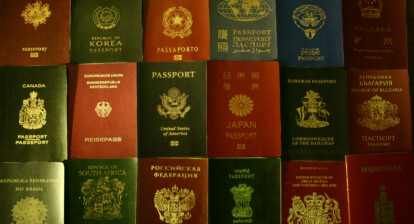
My Life Without A National Identity
Maria from Sweden wonders whether all this hostility in the debates about how the respective national culture should be defined is necessary at all as she lives perfectly happy without a national identity.
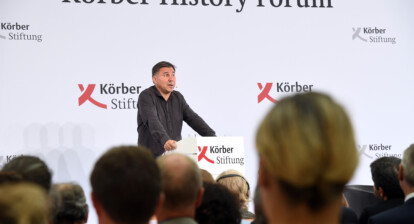
Understanding History and Experiencing the Past
In early summer the third Körber History Forum (KHF) took place in Berlin, Germany. It brought together 200 leading actors from politics, science and public life, intellectuals and opinion leaders from Germany, Europe, a... (more)
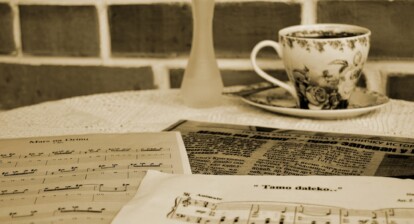
Music in the Service of Patriotism: can Songs Divide us?
“Music unites people of different cultural backgrounds” is a phrase that one can often hear in speeches. Yes, music connects people. It can enrich a person and provide confidence, motivation and a sense of be... (more)
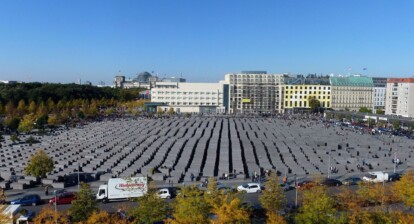
Ignorance or Just a Different Perspective?
27th of January. International Holocaust Remembrance Day. Gregor (Germany) shares his thoughts on the art project YOLOCAUST.

Kaliningrad: A Model Region?
Young EUSTORIANS interview Paulina, who regularly crosses the border between Kaliningrad and Gdansk, about the current tensions between the two countries and their impact on the region.
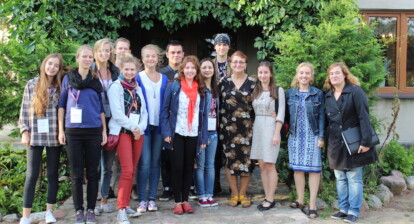
Not an Ordinary Grandma – Part two
Andreyan from Bulgaria tells about the metamorphosis of his attitude after meeting a 70 years old women from a polish village.
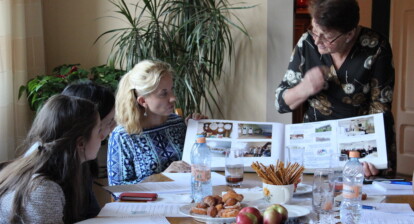
Not an Ordinary Grandma
Andreyan from Bulgaria tells about the metamorphosis of his attitude after meeting a 70 years old women from a polish village.